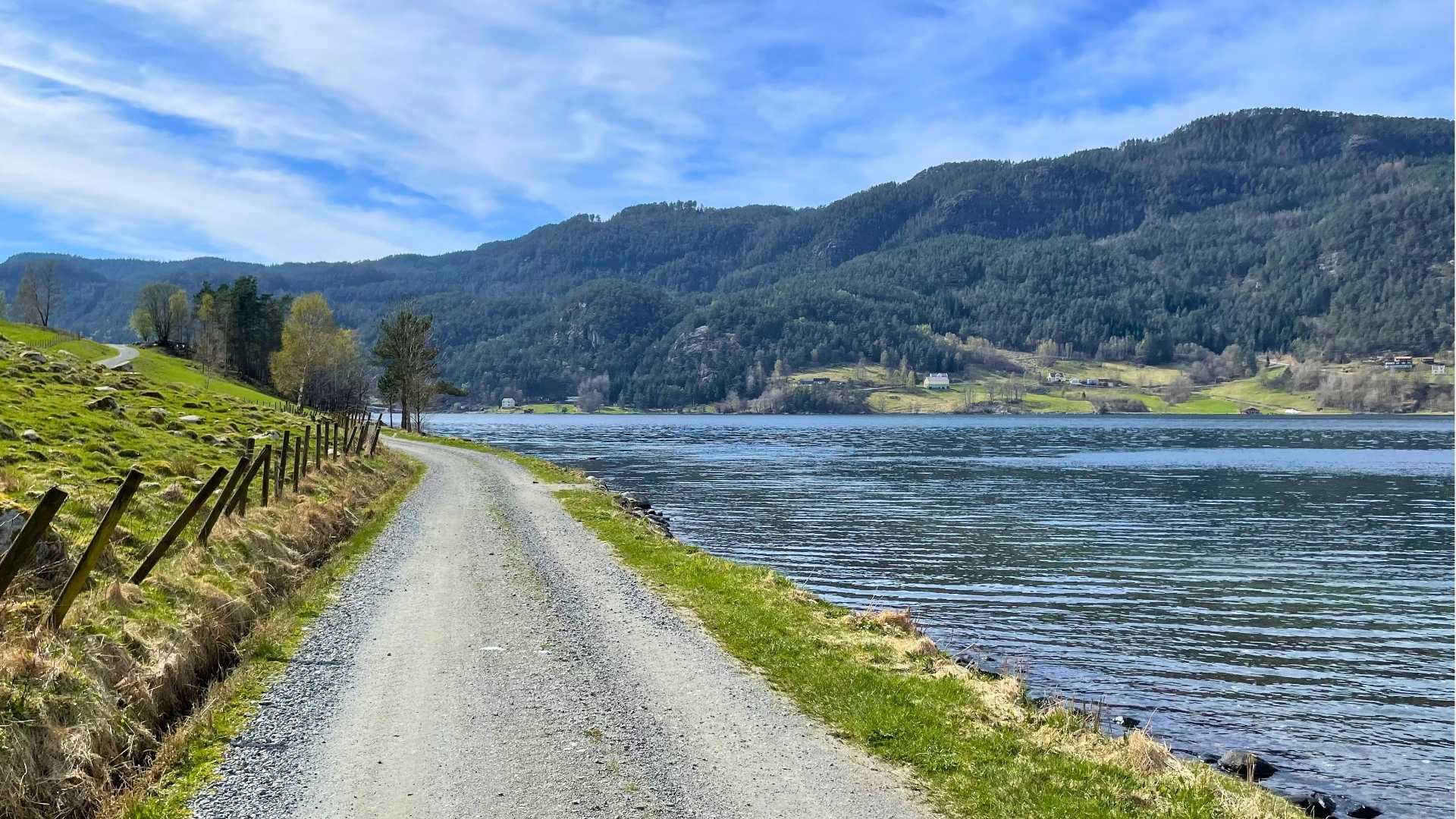
Such areas are central to our cultural history. Individually and collectively, they represent unique and highly valuable biodiversity and cultural heritage. The goal of this initiative is to safeguard these values through active management, including restoration and maintenance of natural and cultural assets. The selected cultural landscape in Suldal includes the hamlets of Hamrabø, Klungtveit, and Mokleiv.
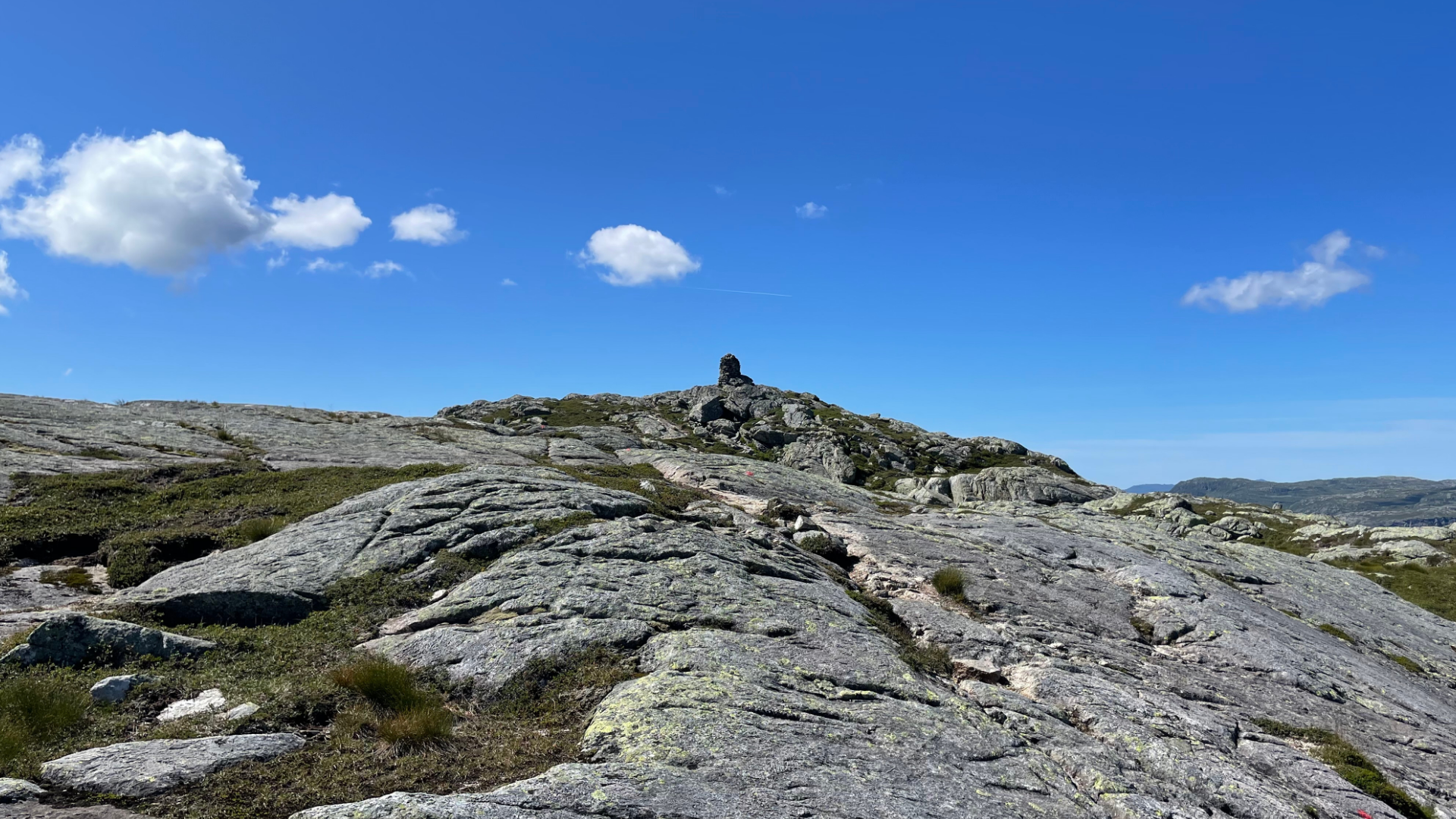
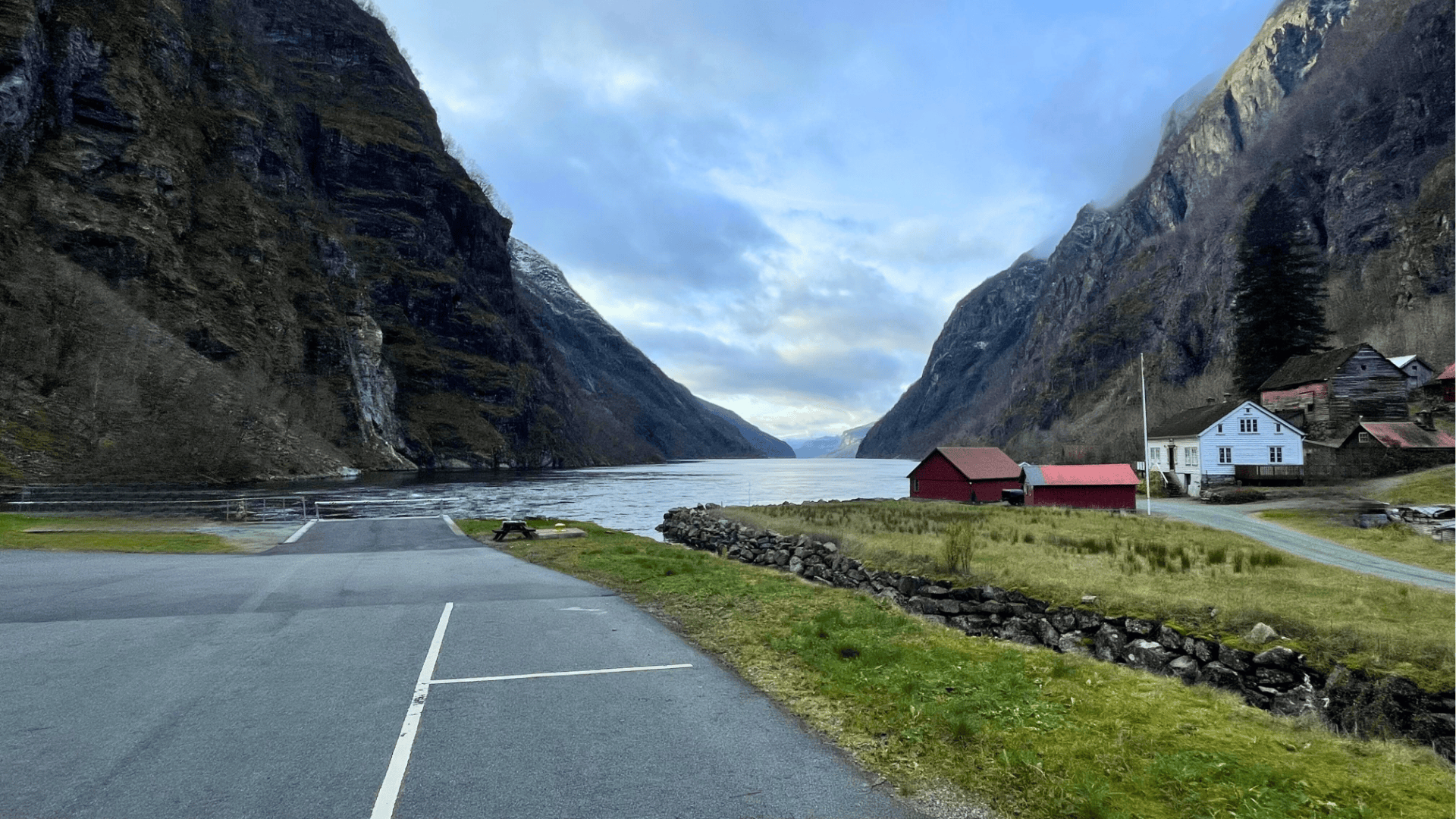
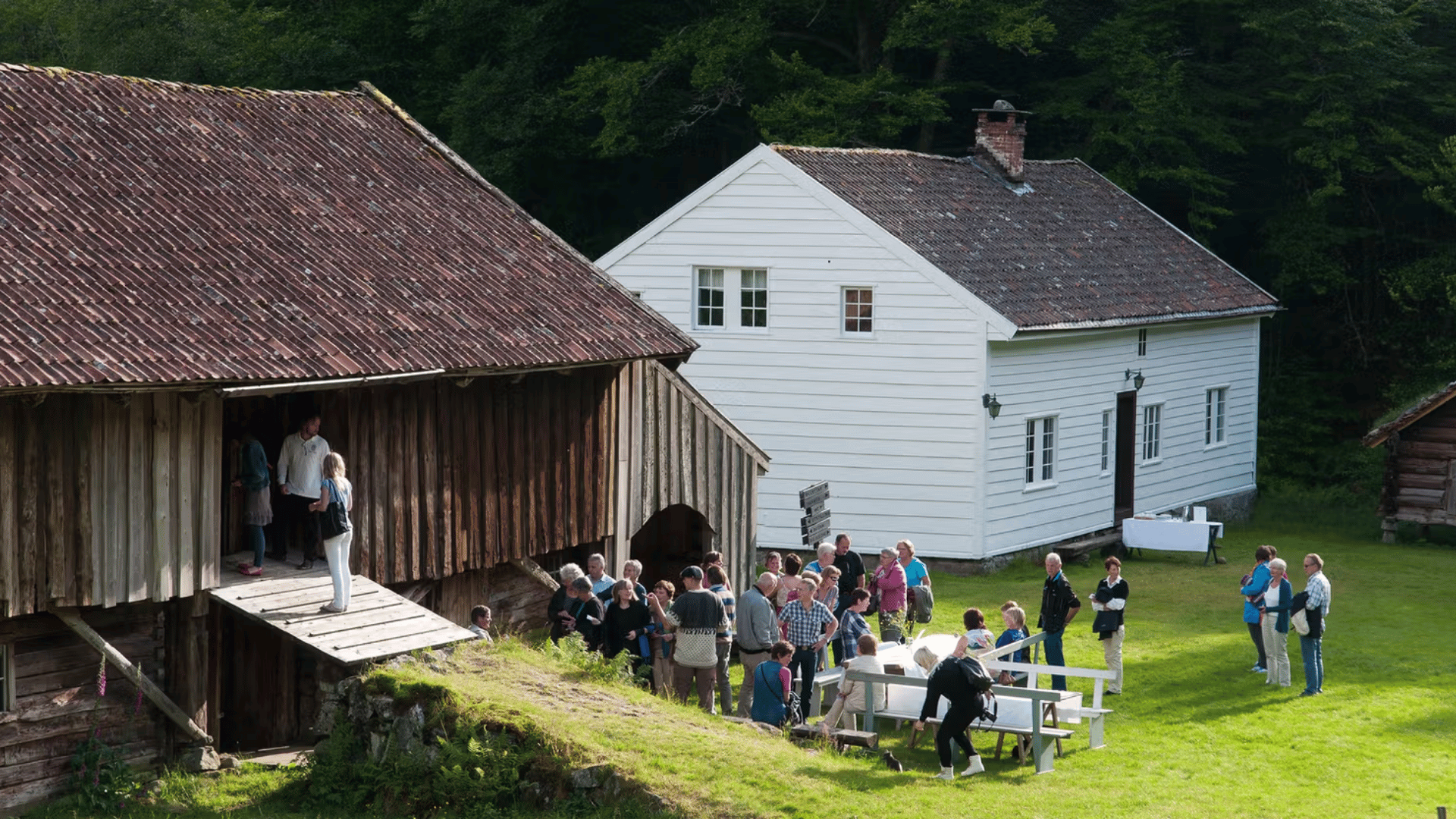
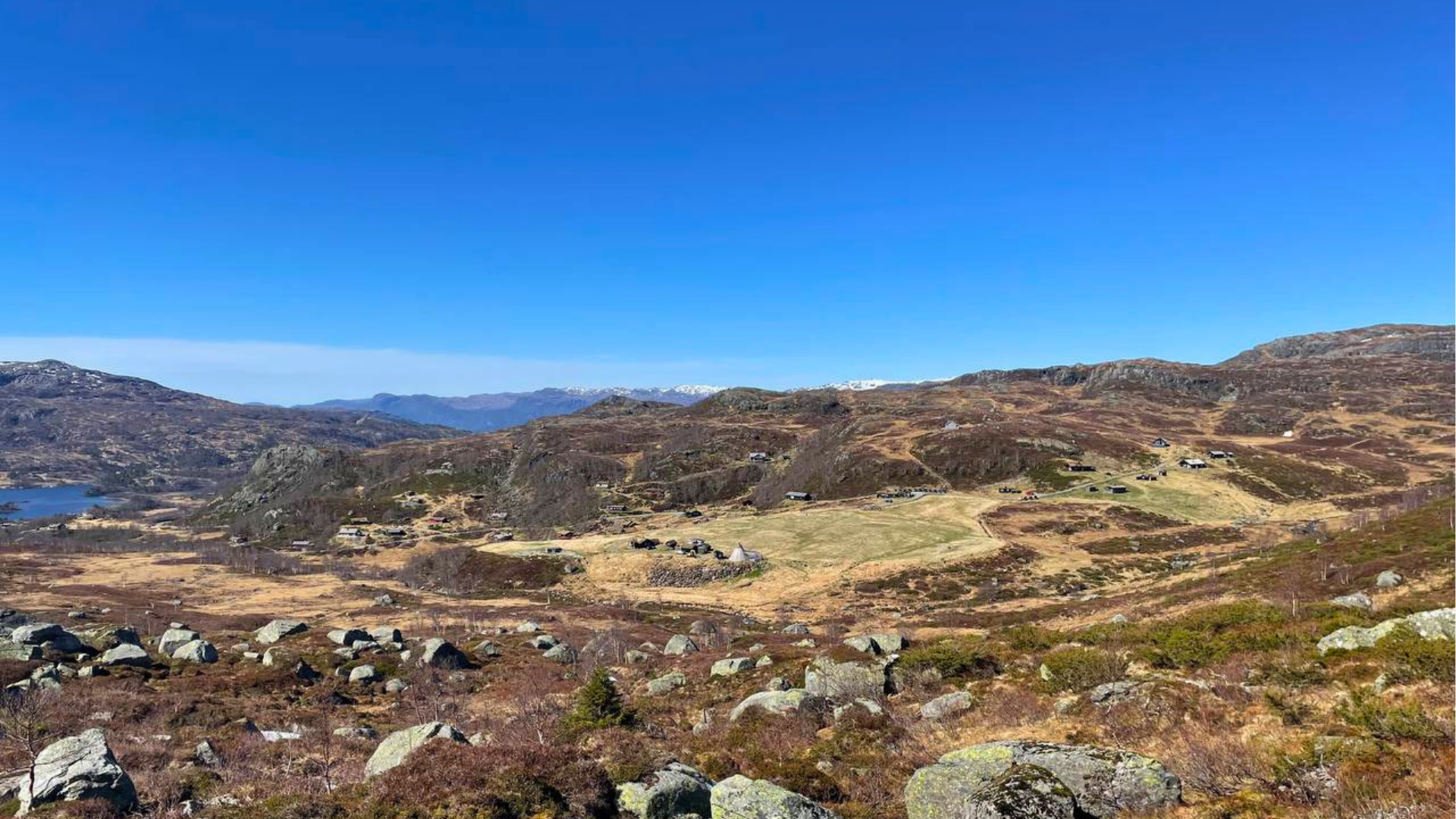
Well-preserved old farmsteads and buildings on the hillsides rising from Suldalsvatnet, with mountain pastures in the uplands above, showcase the heathland landscape and mountain farm environments of Western Norway. Farming in Hamrabø is diverse and partly very extensive, involving milk production, sheep, sows, and piglets, combined with small-scale hydropower and tourism.
In Klungtveit and Mokleiv, large areas are used for sheep grazing. Steep slopes have long been cultivated with walls, irrigation ditches, stone fences, paths, stairs, and clearance cairns. Striking in this landscape are the diverse natural pastures, wooded meadows, hay meadows, and coppiced woodlands, all managed according to tradition. The several thousand coppiced trees – 'kydlestuvar' – are particularly vibrant. The area offers pilgrim walks and farm tourism, the Ryfylke National Tourist Route, and hiking trails into the Suldal uplands.
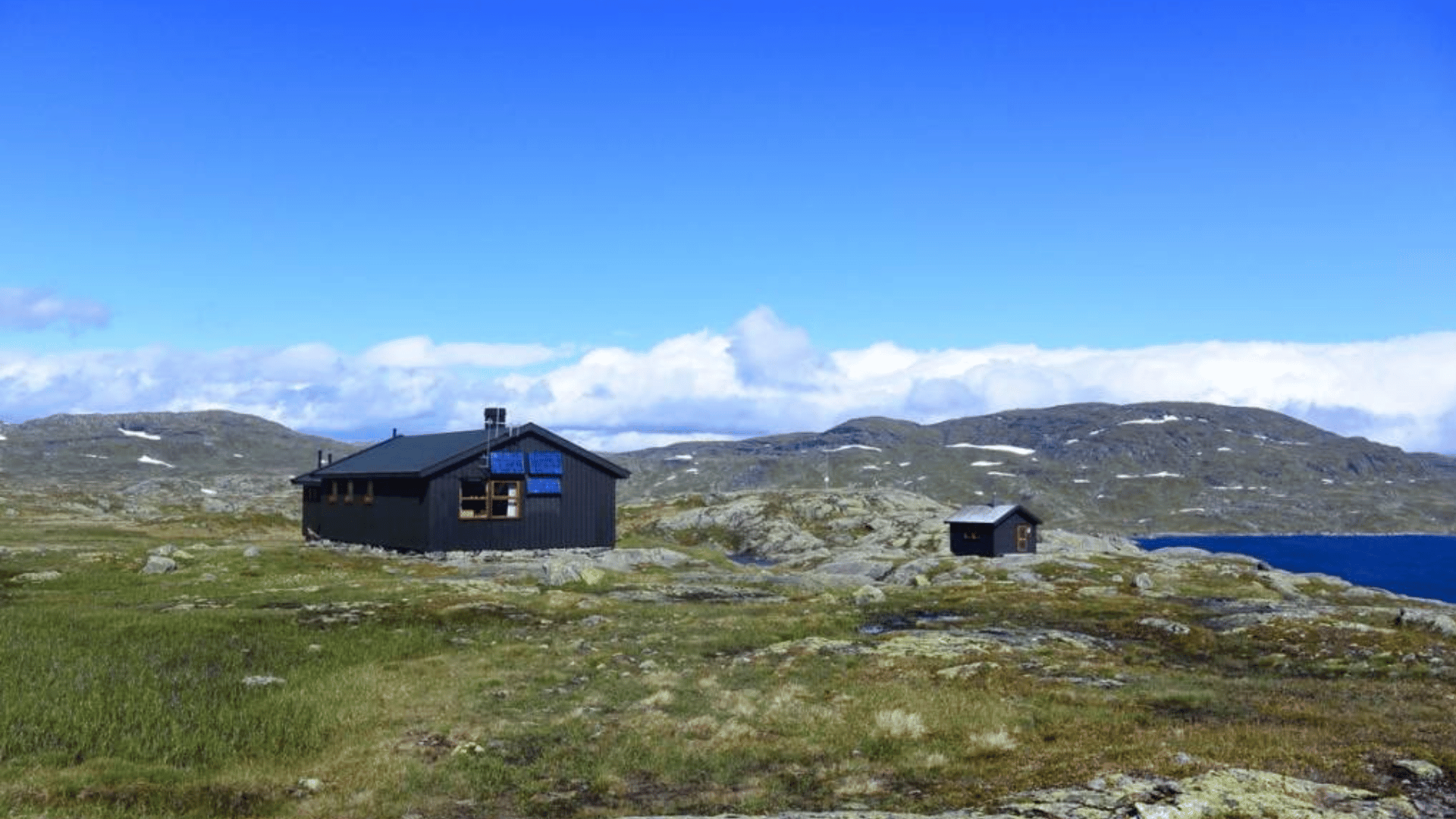
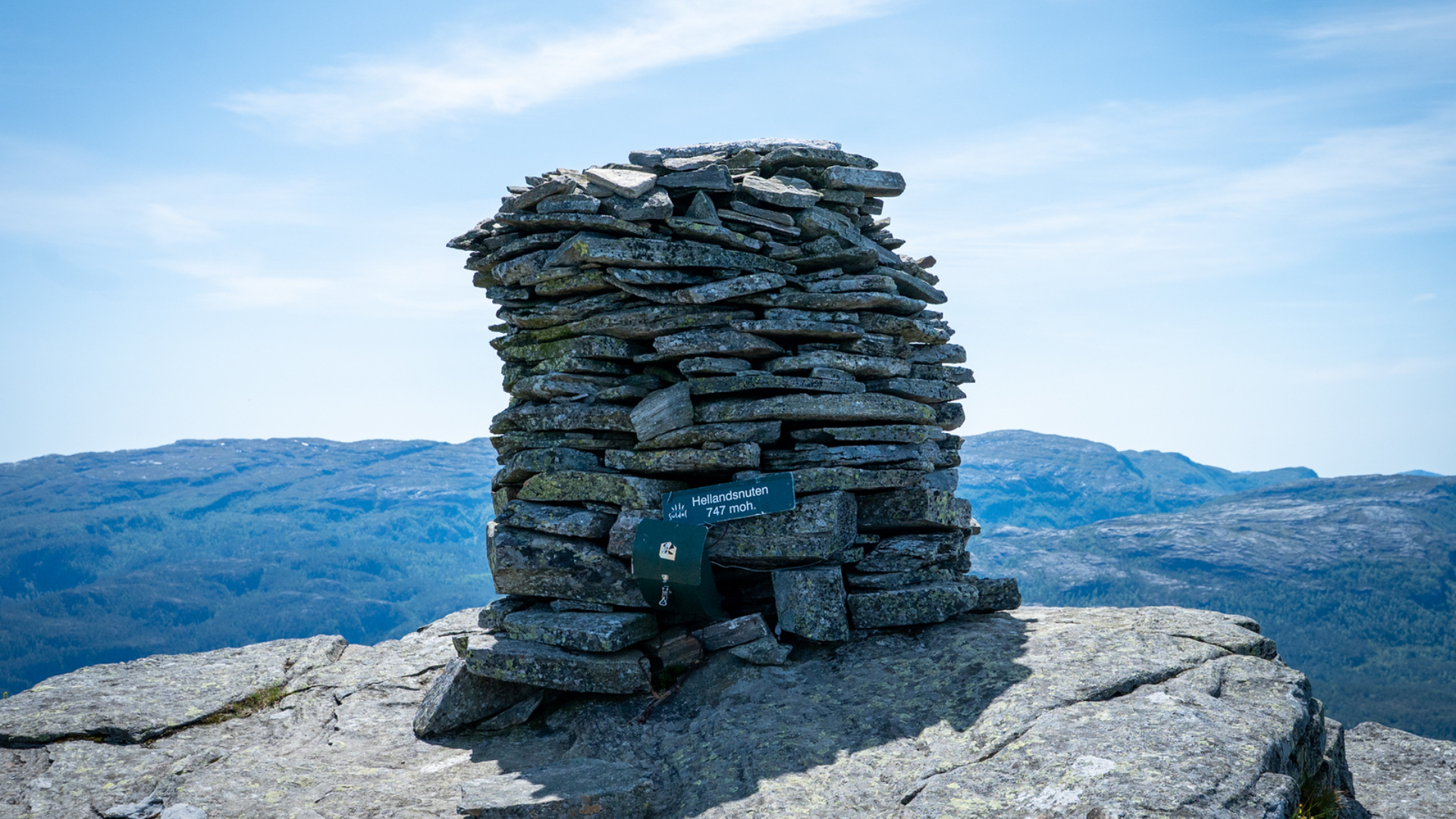
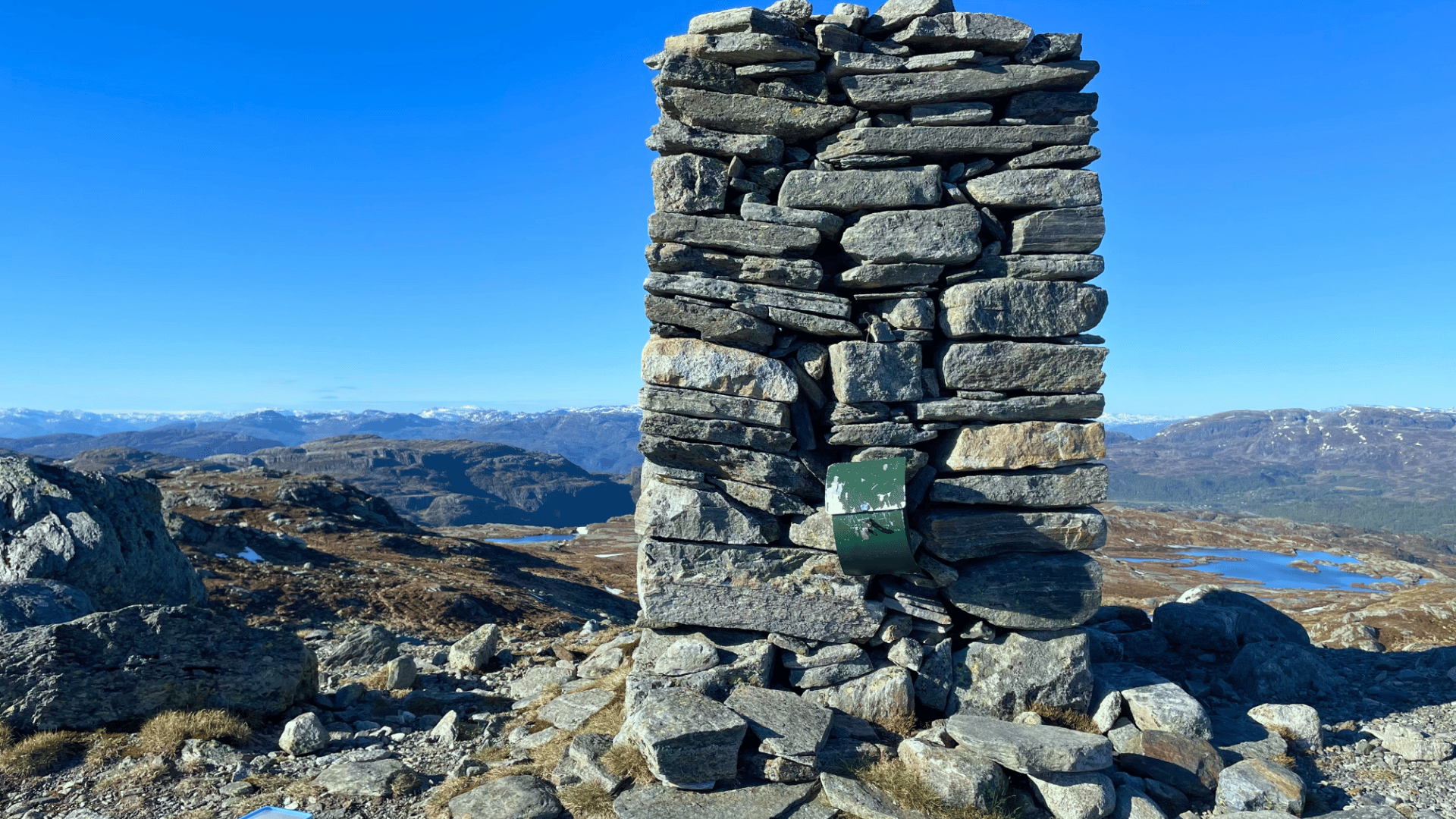
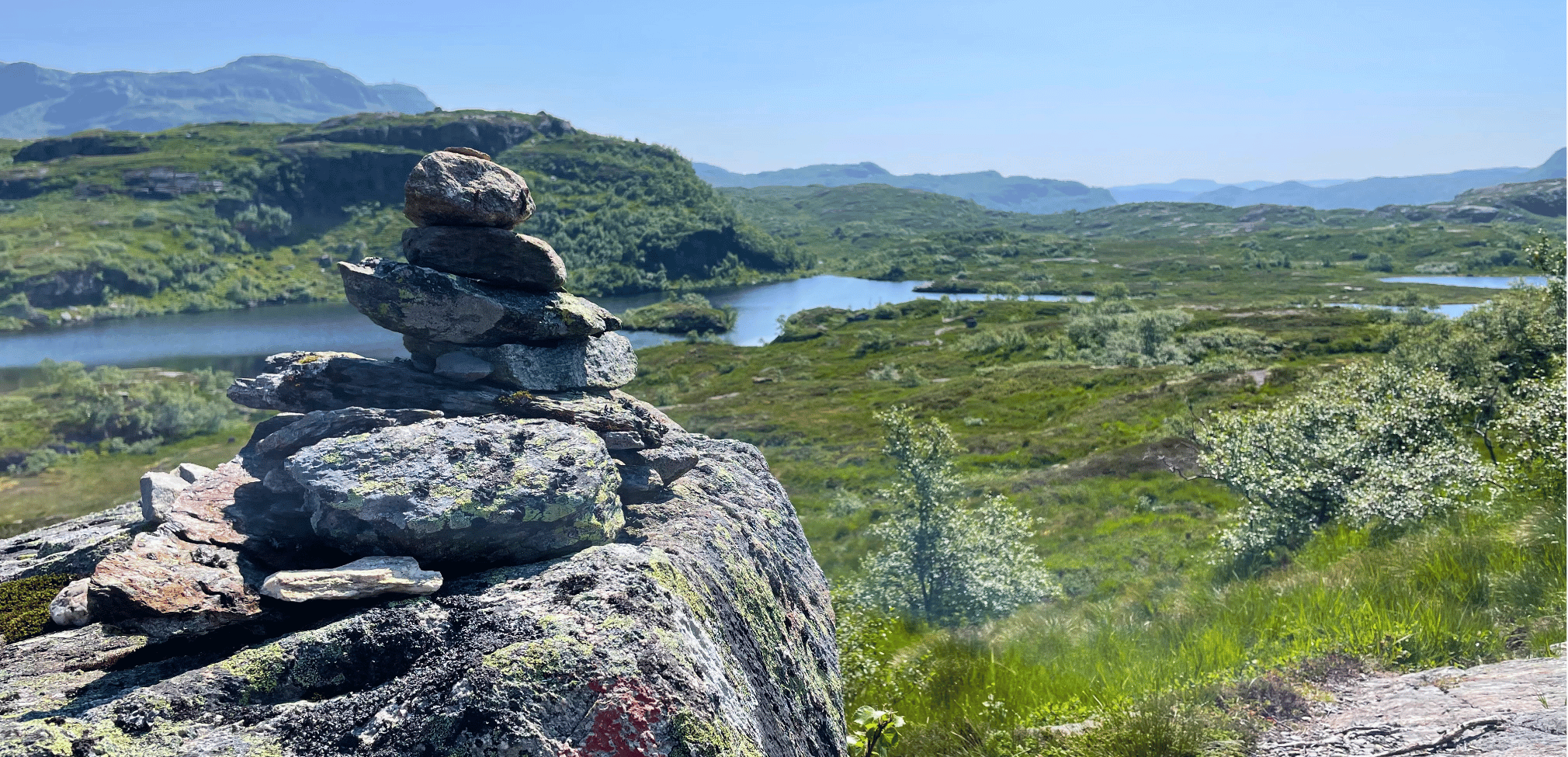
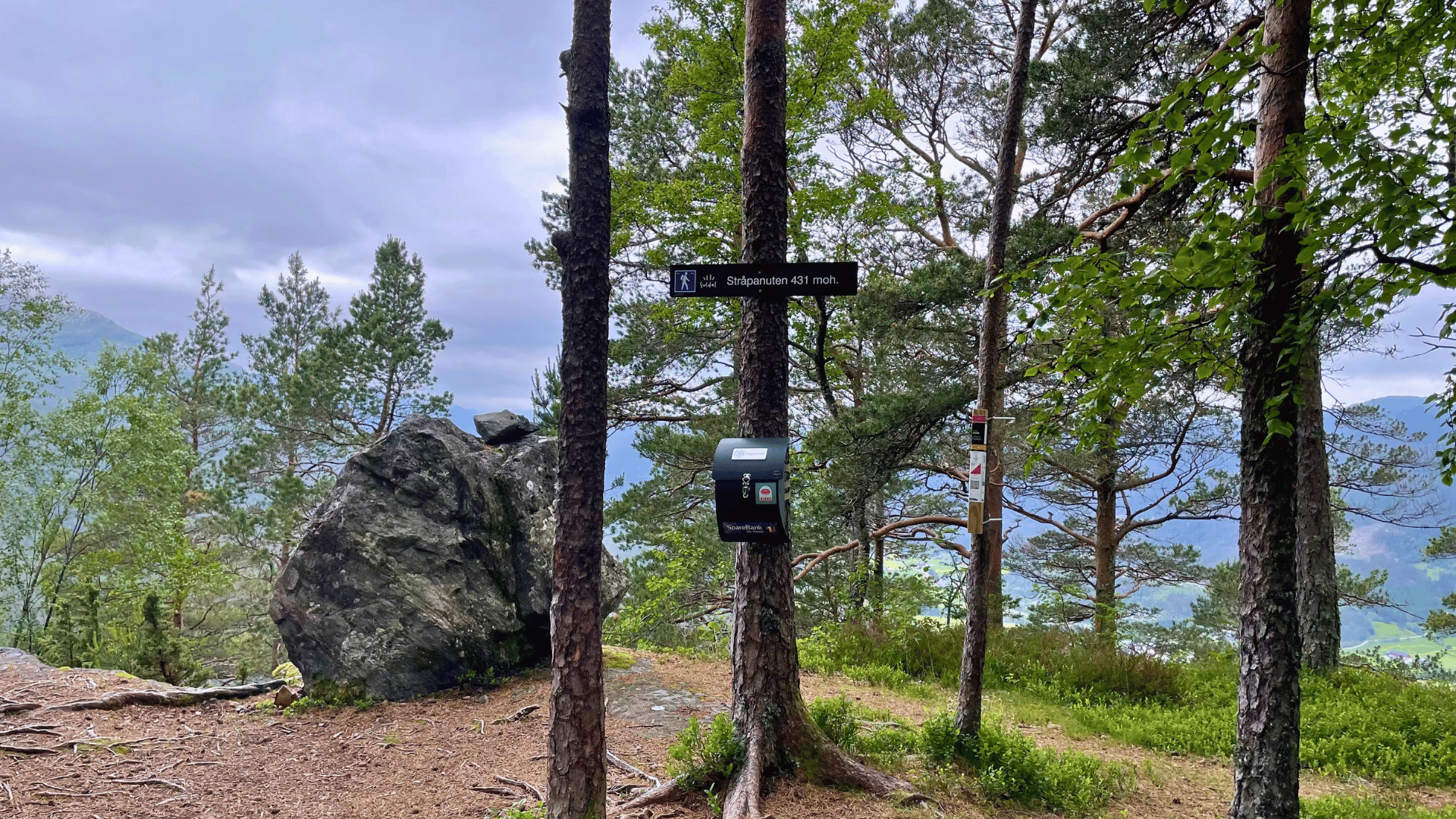
There are many great hikes in the area: UT.no
Hiking maps for the areas can be found below.
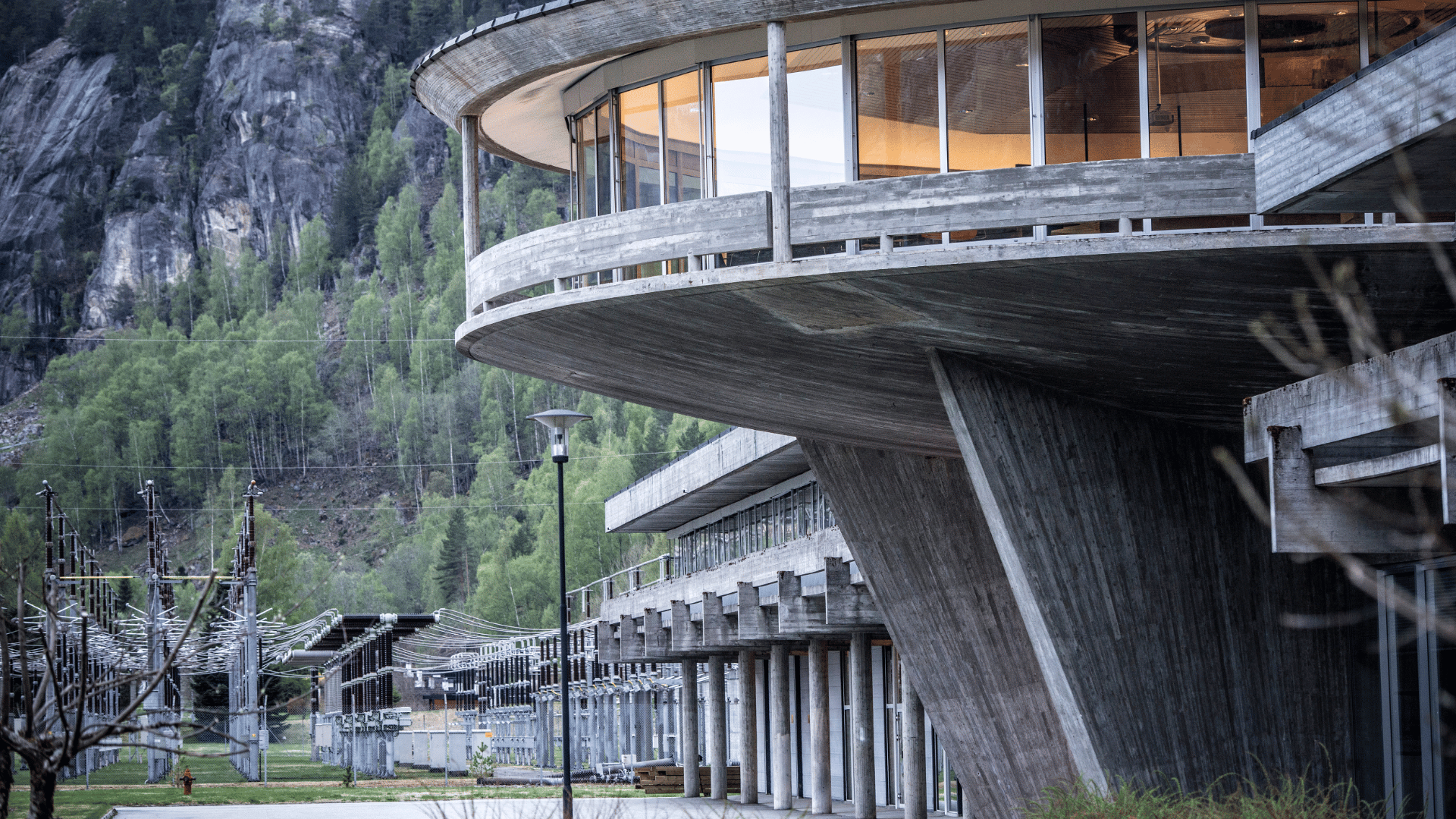
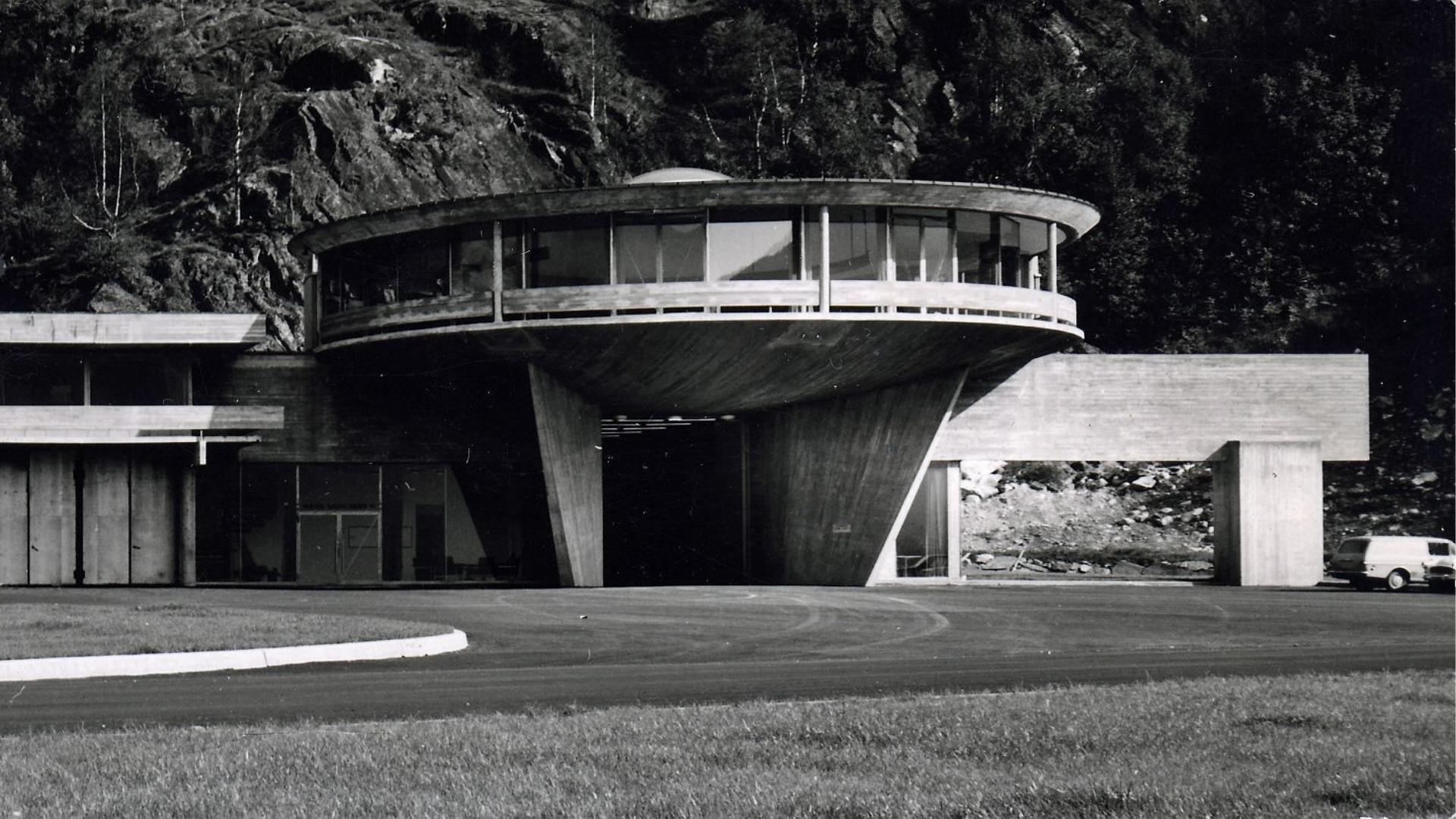
Explore Energihotellet in Nesflaten – a unique blend of design heritage and nature, offering local food culture and unforgettable experiences by Lake Suldalsvatnet.


Lindum Salmon Manor is an impressive building from the era when Englishmen came to Suldal for salmon fishing. Today, they offer camping and cabins in a relaxed setting.


Gata 22, 4230 Sand (Summer season)
Sandsvegen 134, 4230 Sand (All year)
Tel: (+47) 995 63 001
E-mail: suldal@visitsuldal.no


.jpg)















.jpg)













.jpg)